
What to Expect from Piano Lessons: A Guide for Beginners and Parents
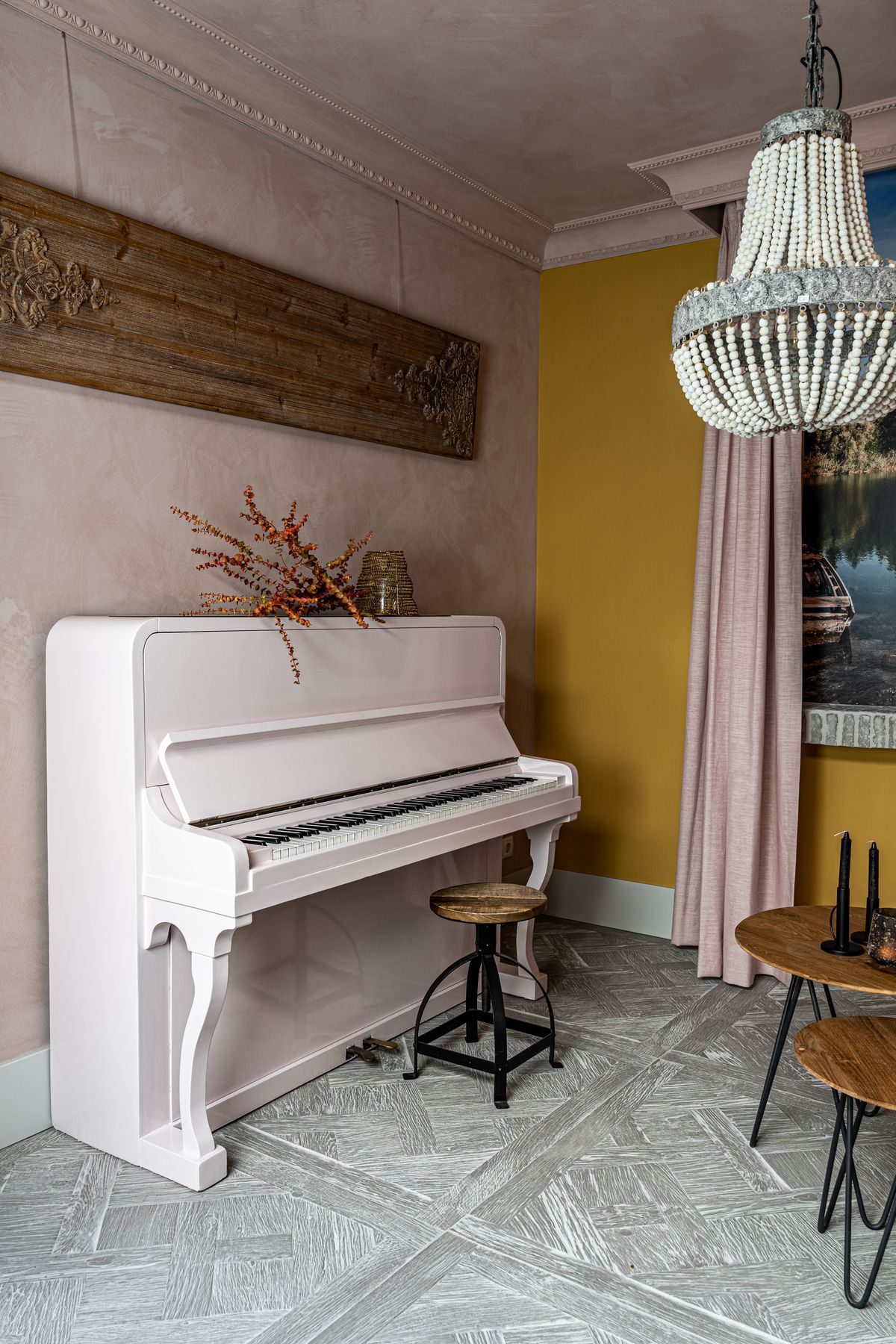
- Starting piano lessons is a big step for any student or parent.
- Here's what a typical lesson structure, practice routine, and exam pathway actually looks like.
How Lessons Are Typically Structured
A well-run piano lesson balances several elements in each session: technical exercises (scales, arpeggios, hand position), sight-reading practice, work on a current repertoire piece, and ear training. Younger beginners usually spend more time on rhythm games and simple pieces learned by rote, while older students move more quickly into reading notation and structured technique. Most private lessons run 30 to 60 minutes, once a week, with progress measured in months rather than weeks.
Choosing the Right Age to Start
There is no single correct age to begin. Many teachers start structured lessons from age six or seven, once a child can focus for the length of a lesson and recognise basic patterns. Younger children can benefit from informal keyboard play and pre-instrumental music games, but formal lessons tend to progress faster once some reading readiness is in place. Adult beginners have no such constraints — motivation and consistent practice matter far more than age.
Understanding Graded Exams
Many piano students eventually work toward a graded exam syllabus, such as those offered by international bodies like ABRSM or Trinity College London, or a local conservatory's own grading system. These exams provide a structured, externally validated way to measure progress, typically running from an initial grade through to a diploma level. Not every student needs to sit exams — some prefer a purely repertoire-based approach — but a graded pathway can help maintain motivation and give a clear sense of milestones.
What to Expect in the First Few Months
Early lessons focus on posture, hand shape, and basic note reading rather than playing recognisable songs immediately. This foundational period can feel slow, but it prevents technical habits that are difficult to correct later. Most students can play simple, recognisable tunes within the first two to three months of regular practice and weekly lessons.
Supporting Practice at Home
Consistency matters more than duration — fifteen focused minutes daily will outperform a single long session once a week. For lessons to translate into progress, a student needs a piano or weighted digital keyboard that responds accurately to touch, positioned somewhere free of distraction. Parents of younger children can help most by sitting in occasionally, celebrating small wins, and keeping practice low-pressure rather than policing it.
Expert Piano Services
Need Professional Piano Guidance?
Master Ranjan Fernando and our team provide expert advice on piano selection, tuning, repairs, and long-term care across Sri Lanka.
Related Articles

Have a Piano Question?
Our master technicians and piano specialists are here to help — whether it's tuning, restoration, or finding your perfect instrument.