
Piano Repair vs Restoration: What's the Difference?
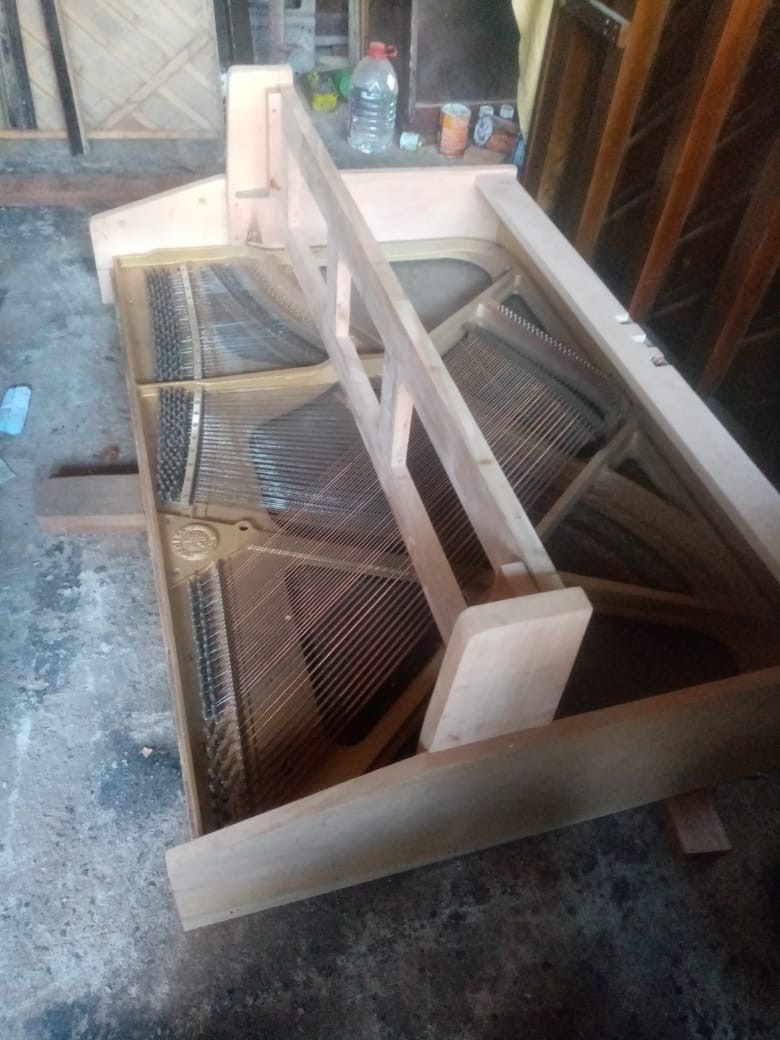
- Not every piano problem calls for the same solution.
- Here's how to tell whether your instrument needs a targeted repair, wider servicing, or a full restoration.
Piano Repair vs Restoration: What's the Difference?
One of the most common questions we're asked is a simple one: does this piano need a repair, or does it need restoration? The two are often confused, but they are quite different in scope, cost, and what they achieve — and choosing the wrong one can mean paying for more than you need, or not enough to actually fix the problem.
What Counts as a Repair
A repair addresses a specific, identifiable fault without treating the whole instrument. Sticking keys, a broken string, a squeaking pedal, a cracked hammer, or a loose action part are all classic repairs — targeted, usually quicker, and proportionate to the actual problem. A well-maintained piano that has developed one or two faults over time is almost always a repair candidate, not a restoration one.
What Counts as Restoration
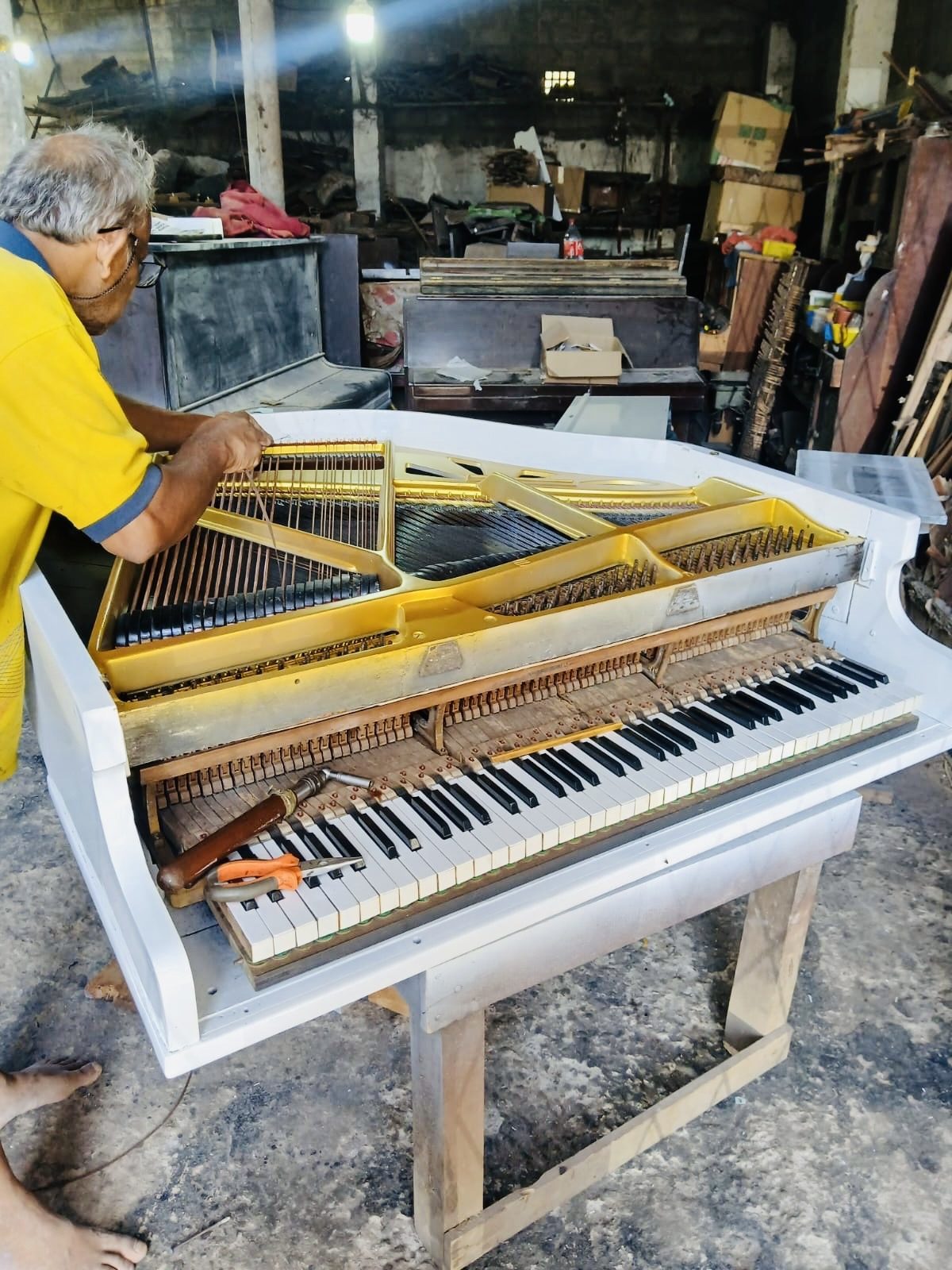
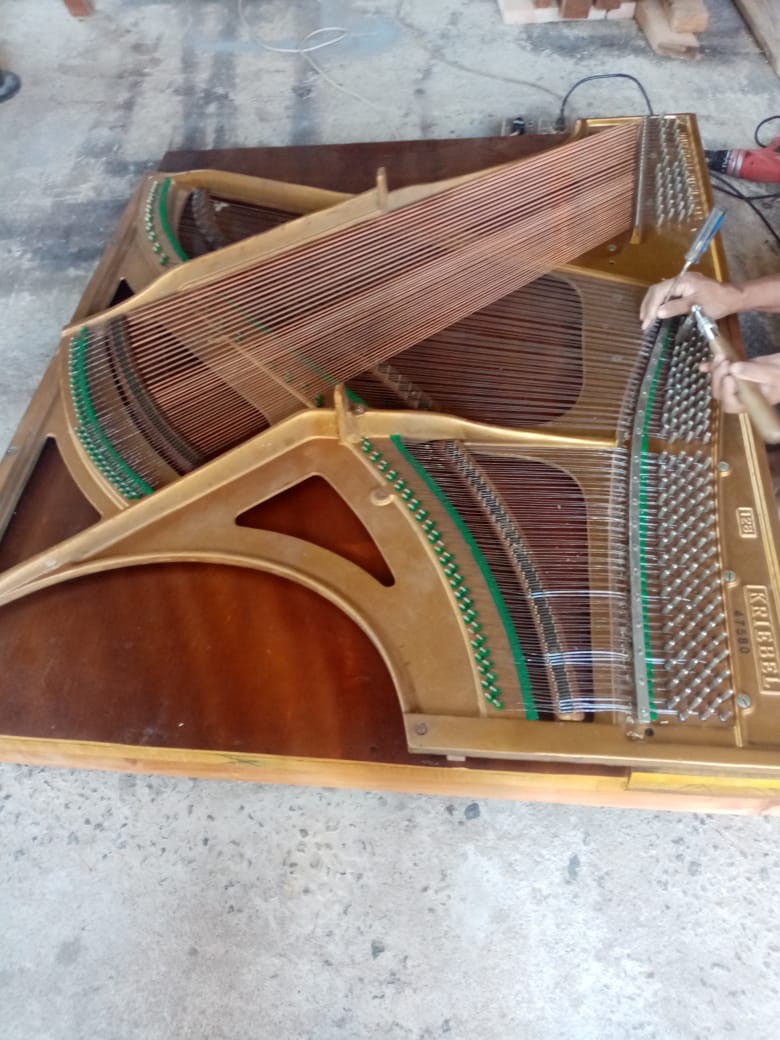
Restoration is a far more comprehensive undertaking. It typically involves rebuilding or replacing major structural and tonal components — the action, hammers, dampers, strings and tuning pins, sometimes the soundboard, and often the cabinet finish — with the goal of returning the piano close to its original playing and tonal condition. Restoration is usually considered when a piano is neglected, very old, has significant sentimental or heirloom value, or when multiple systems have deteriorated together rather than just one part.
How We Decide Which a Piano Needs
The starting point is always the same: a proper assessment. We evaluate the action, the condition of the strings and pin block, the soundboard, and the cabinet, and we listen to how the piano actually sounds and plays. From there, three outcomes are typical:
- Repair only — one or two specific faults on an otherwise sound instrument.
- Repair plus general servicing — several smaller issues that, taken together, are still well short of restoration.
- Restoration — the instrument's structural and tonal systems have degraded broadly enough that piecemeal repair would not meaningfully fix it, or the piano's value justifies a full rebuild.
Why the Distinction Matters Financially
Restoration is a significant investment, and it is not always the right one. An instrument of modest value with a single fault does not need — and should not be sold — a full restoration. Equally, treating a piano that genuinely needs restoration with a series of small repairs over time can end up costing more overall, and never actually resolves the underlying issues. An honest assessment protects you from both mistakes.
A Simple Rule of Thumb
If you can point to one or two specific things wrong with an otherwise playable piano, it's likely a repair. If the piano feels tired all over — dull tone, inconsistent action across the keyboard, visible ageing in the cabinet, strings you're not confident in — it's worth having it properly assessed for restoration.
Not sure which your piano needs? Book a private consultation and we'll give you an honest recommendation before any work begins — or go straight to a repair assessment or restoration assessment if you already know which applies.
Targeted Piano Repairs
Sticking Keys, Buzzing Strings or Pedal Issues?
Not every problem needs a rebuild. We diagnose faults honestly and carry out precision repairs on upright and grand pianos.
Have a Piano Question?
Our master technicians and piano specialists are here to help — whether it's tuning, restoration, or finding your perfect instrument.