
Caring for a Grand Piano: Tuning, Moving, and Climate Considerations
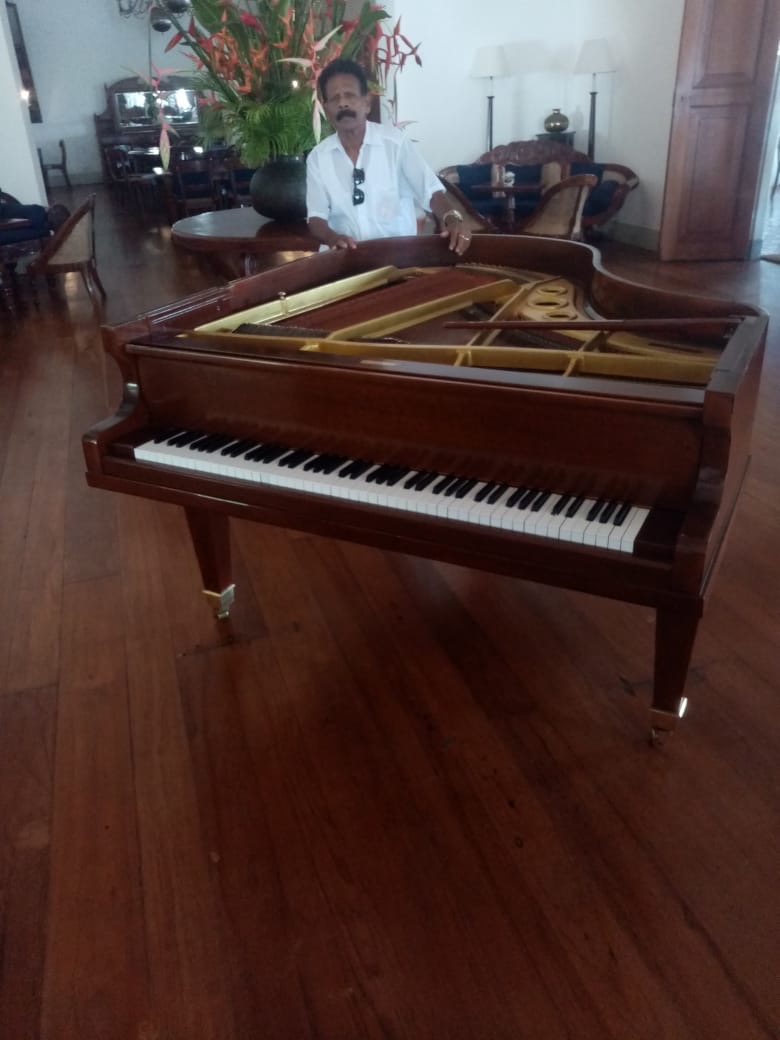
- A grand piano's horizontal frame and larger soundboard mean different care needs from an upright.
- Here's what ongoing ownership actually involves.
Why Grand Pianos Need Different Care
A grand piano's strings and soundboard run horizontally rather than vertically, giving longer bass strings and a larger soundboard area than an upright of comparable quality. This produces a richer, more resonant tone, but it also means a larger surface area exposed to humidity change, and an action that relies on gravity to reset the hammers — both of which make regular, qualified attention more important than with a smaller instrument.
Tuning Frequency for a Grand
The same principles that apply to any acoustic piano apply here, generally at least twice a year — but a grand played frequently, used for teaching, or positioned in a room with significant temperature and humidity swings often benefits from three to four tunings annually. Concert and performance instruments are commonly tuned before every significant use.
Moving a Grand Piano Safely
A grand piano must have its legs, lyre, and pedal assembly removed before moving, and the body wrapped and carried on a purpose-built piano board or skid — never dragged, tilted onto its side without support, or lifted by untrained movers. The exposed strings and soundboard are vulnerable to impact, and the weight distribution makes an improperly planned move a genuine risk to both the instrument and the people moving it. This is specialist work, not a job for a general moving crew.
Humidity and Room Placement
A grand piano should be positioned away from direct sunlight, air-conditioning vents, and exterior walls prone to damp, all of which cause uneven expansion and contraction in the soundboard and case. In a tropical climate, a room-level humidity of roughly 45–55% is a reasonable target where practical, and a stable, moderate environment matters more than any single humidity figure — sudden swings are more damaging than a consistently higher or lower level.
Long-Term Maintenance Schedule
Beyond routine tuning, a grand piano benefits from periodic regulation of the action (typically every few years, depending on use) to keep touch even across the keyboard, and voicing to maintain consistent tone as hammer felt compacts with wear. Cabinet care — dusting, avoiding harsh cleaning products, and keeping the lid closed when not in use — protects the finish over decades of ownership.
Professional Piano Tuning
Need Your Piano Tuned to Concert Pitch?
Our master tuner restores instruments to exact pitch with stability adapted for Sri Lanka's tropical climate. Home service across Colombo and the Western Province.
Related Articles
Have a Piano Question?
Our master technicians and piano specialists are here to help — whether it's tuning, restoration, or finding your perfect instrument.