
Digital or Acoustic Piano? How to Choose for Sri Lanka's Climate
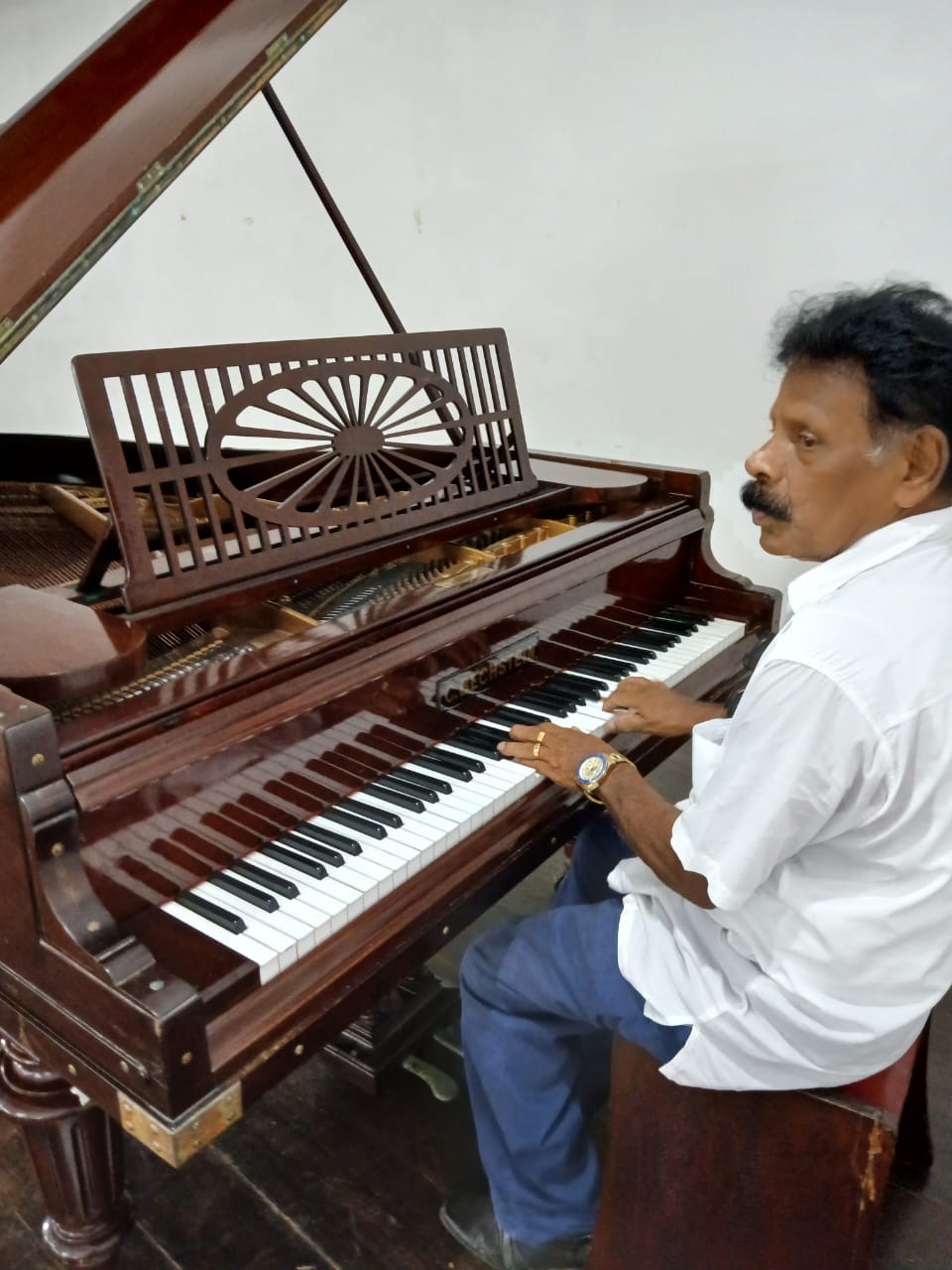
- Digital and acoustic pianos each have real advantages.
- Here's how to weigh touch, maintenance, and Sri Lanka's humidity when deciding between them.
The Core Difference: Touch and Tone
An acoustic piano produces sound through physically struck strings and a resonating soundboard — every note has natural overtones and a touch response that changes subtly with how hard and fast a key is pressed. A good digital piano uses sampled or modelled sound and a weighted key mechanism designed to imitate that feel, and modern instruments have narrowed the gap considerably. Even so, most piano teachers agree that nothing fully replicates an acoustic piano's touch and tonal complexity for advanced technical development.
Maintenance in a Tropical Climate
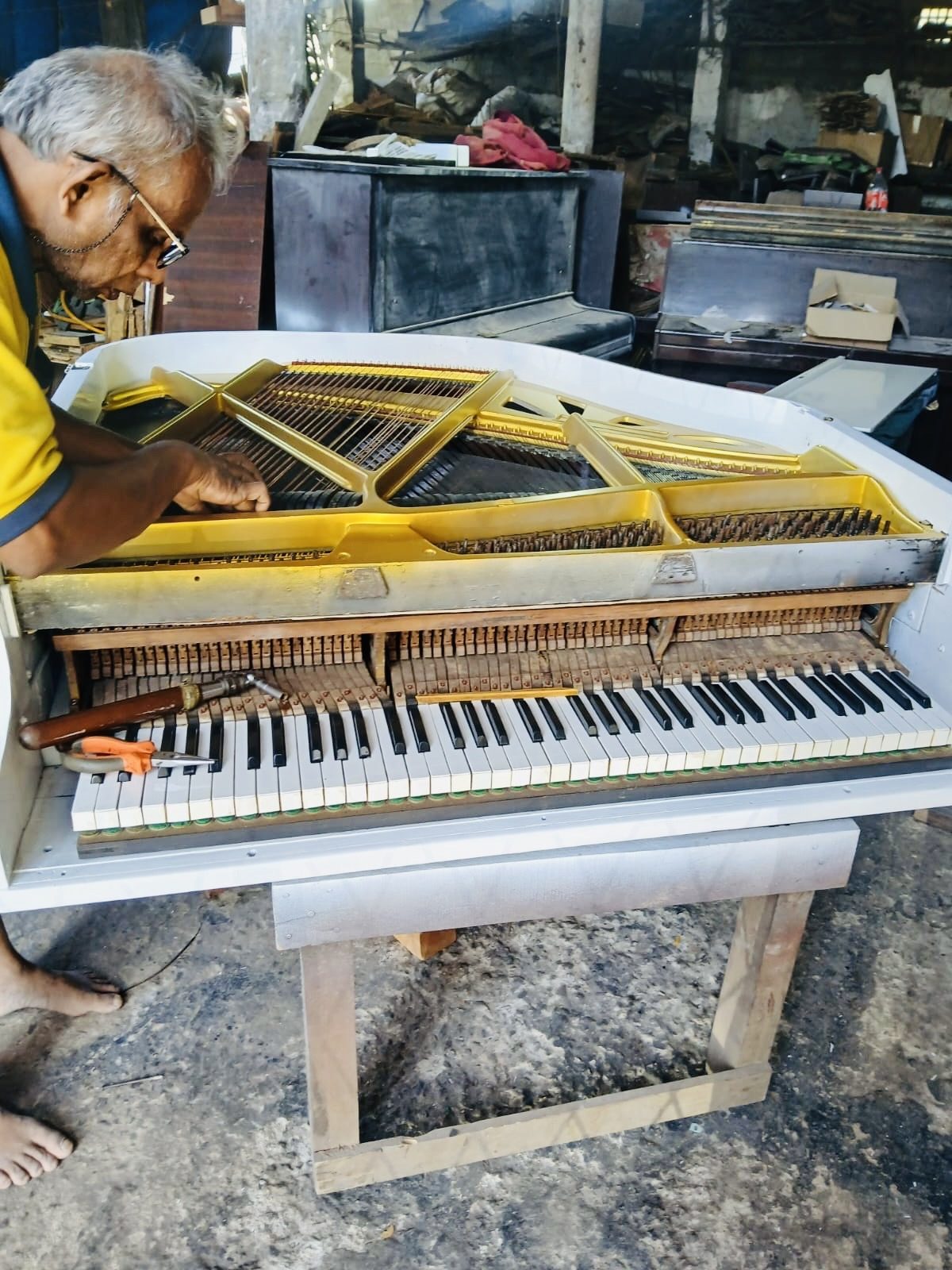
This is where digital pianos have a clear practical advantage in Sri Lanka. Acoustic pianos are built largely from wood and felt, and are sensitive to the humidity swings common across the island's monsoon and dry seasons — requiring regular tuning and occasional professional attention to the action and soundboard. A digital piano has no strings to go out of tune and no soundboard to be affected by humidity, making it a lower-maintenance option, particularly for a home without climate control.
Space, Volume, and Practice Considerations
Digital pianos are typically smaller, lighter, and can be practised silently through headphones — a genuine advantage in shared housing or apartments where noise is a concern. Acoustic pianos, whether upright or grand, need a fixed floor position, produce unregulated volume, and are far harder to move once installed. For a household balancing practice time against noise and space constraints, this is often the deciding factor.
Long-Term Value
A well-maintained acoustic piano can last for generations and often holds or appreciates in value, particularly instruments from respected makers. Digital pianos are electronic instruments with a functional lifespan measured in one to two decades, after which components and sound engines become dated. The upfront cost comparison is only part of the picture — long-term value depends heavily on how long the instrument will realistically be played and by whom.
Which One Is Right for You?
A serious or advancing student, or a household with space and the ability to manage regular tuning, will generally benefit more from an acoustic piano's touch and tone. A beginner testing commitment, a household needing silent practice, or a space-constrained home will often be better served by a good digital instrument. Playing both side by side, ideally with an experienced technician's input, is the most reliable way to decide.
Pianos for Sale
Looking for the Right Piano in Sri Lanka?
Explore our hand-inspected collection of pre-owned and new upright and grand pianos, or book a private showroom viewing in Welisara, Ragama.

Have a Piano Question?
Our master technicians and piano specialists are here to help — whether it's tuning, restoration, or finding your perfect instrument.