
Yamaha or Kawai? Choosing a Used Japanese Upright Piano in Sri Lanka
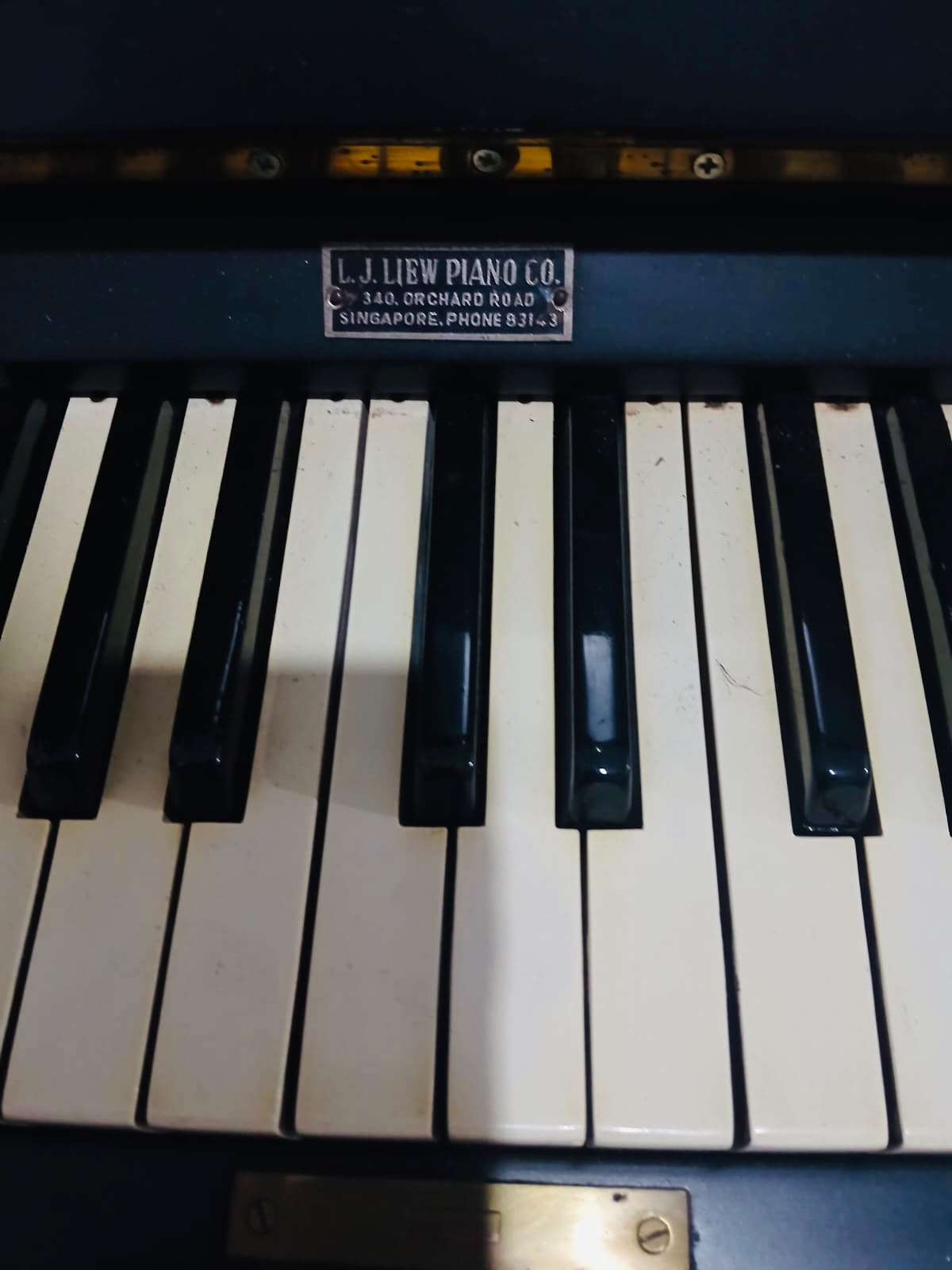
- Most second-hand upright pianos in Sri Lanka are Japanese Yamaha and Kawai instruments.
- Here is how the two makers differ, how to read model names and serial numbers, and what matters more than the badge on the fallboard.
If you are shopping for a second-hand upright piano in Sri Lanka, you will quickly find that most of the good instruments on offer are Japanese — and almost all of those are made by Yamaha or Kawai. Both are long-established makers with a strong reputation, and a well-kept example of either can serve a family for decades. This guide explains how they differ and, more importantly, what to look at in the particular piano in front of you.
The Short Answer
There is no "better" brand between the two. The right choice is the individual piano that is in the best condition, suits your room and budget, and sounds and feels right to the person who will play it. Condition matters far more than the name on the fallboard: a well-maintained older piano can outperform a younger one that has been neglected.
How Yamaha and Kawai Uprights Tend to Differ
- Tone: Yamaha uprights are generally described as bright and clear, with a crisp, even sound. Kawai uprights are often described as warmer and rounder. These are tendencies, not rules — age, hammer wear and voicing change the tone of any piano.
- Touch: both makers build consistent, reliable actions, but they feel different under the fingers. If you can, play a Yamaha and a Kawai one after the other before deciding.
- Servicing: both are among the most common acoustic pianos in Sri Lanka, so they are familiar to tuners and technicians and straightforward to look after.
Reading Model Names
Model names tell you a lot about size, and size affects sound. Taller uprights have longer strings and a larger soundboard, which generally gives a fuller bass and more volume.
- Yamaha U-series: the U1 (about 121 cm tall) is the classic family and student upright; the U2 is a little taller, and the U3 (about 131 cm) is the larger professional model. Suffix letters such as H, M or A after the model number indicate the production series and help date the piano.
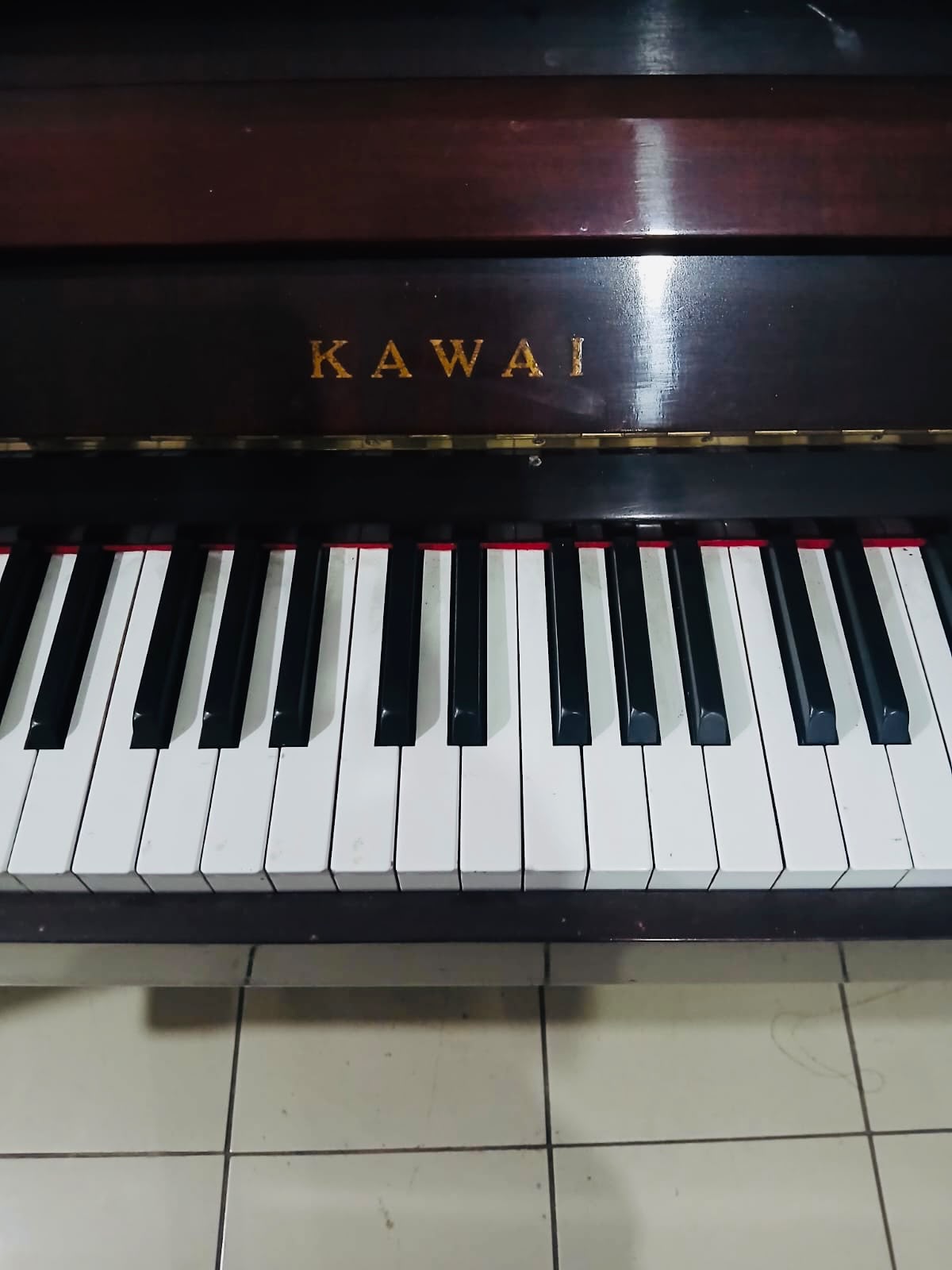
- Kawai: used Kawai uprights come in several series over the decades, including older BL and KS models and the more recent K-series. As with Yamaha, a taller model is usually the more powerful instrument.
Dating a Piano by Its Serial Number
Both Yamaha and Kawai stamp a serial number on the piano — on an upright you will usually find it on the cast-iron plate when the top lid is opened. Both makers publish charts that convert serial numbers to a year of manufacture, so the serial is the most reliable way to check the age you are being told. Ask the seller for it, and be cautious of any piano whose serial number has been removed or painted over.
Both makers have also built pianos outside Japan, including in Indonesia. If country of manufacture matters to you, the label and serial number will tell you where a particular piano was made.
Climate: Why the First Year Matters
Many second-hand Japanese uprights spent years in heated or air-conditioned homes before reaching Sri Lanka. Moving from a dry climate to our humidity makes the wood of the soundboard, pinblock and action take on moisture, and the tuning moves as the piano adjusts. That is normal, but it means a newly arrived piano should be tuned again once it has settled, and checked regularly in its first year.
Placement helps too: keep the piano away from sea-facing windows, direct sun and air-conditioner draughts. Our guide to piano care in Sri Lanka’s tropical climate covers this in more detail.
What to Check Before You Buy
- Play every key, softly and loudly — listen for dead notes, buzzing and keys that stick or return slowly.
- Look inside for rust on strings and tuning pins, cracks in the soundboard and signs of insects or termites.
- Ask when the piano was last tuned and whether it holds its tuning.
- Check the pedals work and the dampers stop the sound cleanly.
- Note the serial number and compare the age with what you have been told.
Our step-by-step guide to inspecting a second-hand piano goes through each of these. If you would rather have an expert look, book a buying consultation or a piano valuation before you commit.
Seeing and Playing Them Side by Side
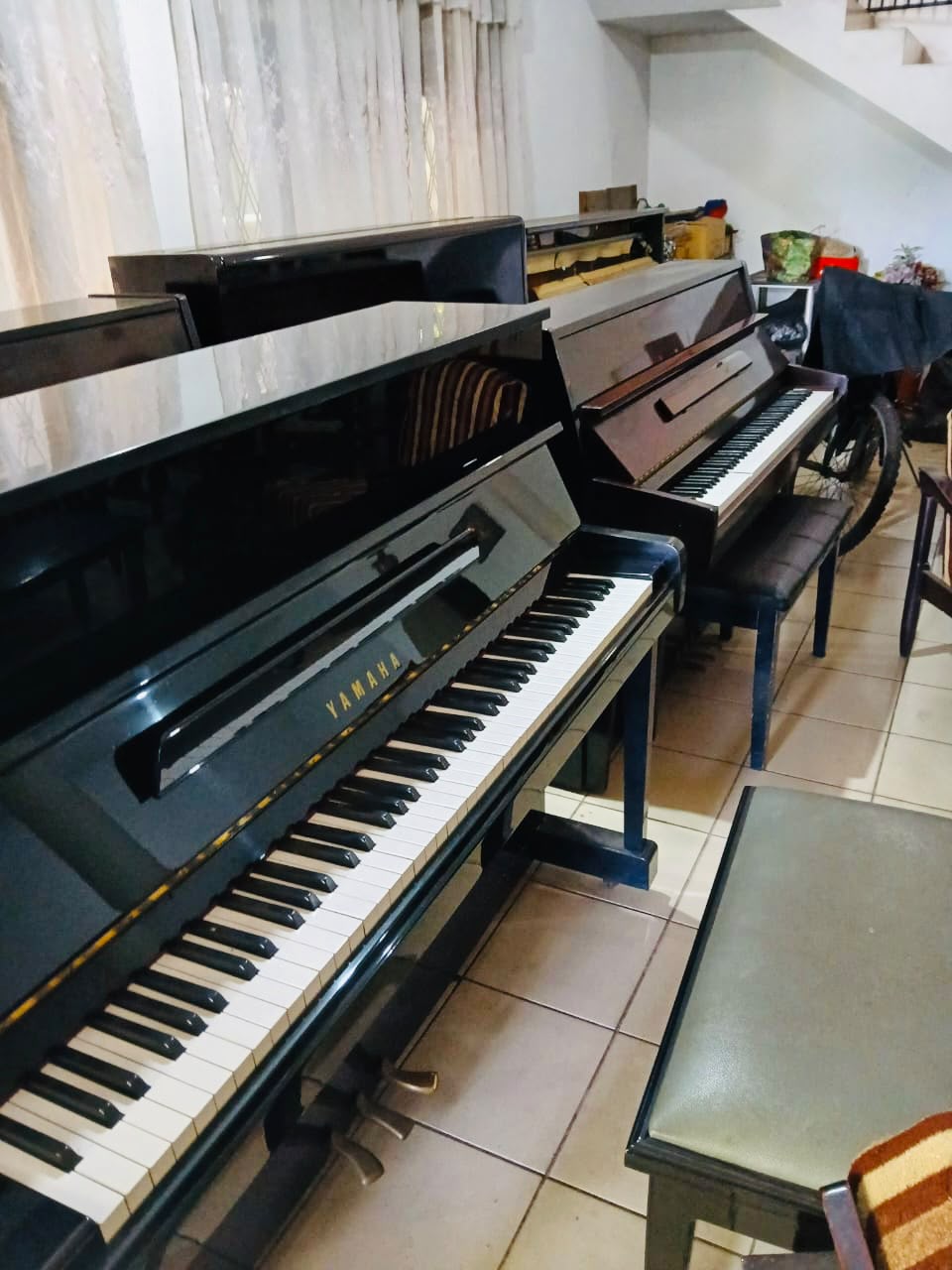
Every pre-owned piano we sell is inspected before it reaches our showroom in Welisara, near Colombo, and each listing shows genuine photographs, its condition and its price in LKR. Browse our current Yamaha pianos and Kawai pianos, or see everything on our pianos for sale page. When both makes are in stock, you are welcome to visit and play them one after the other.
Buying from us? Every piano we sell, brand-new or second-hand, comes with a five-year warranty and one free piano stool. See our pianos for sale.
Pianos for Sale
Looking for the Right Piano in Sri Lanka?
Explore our inspected pre-owned upright pianos, with grand pianos on enquiry, or book a private showroom viewing in Welisara, Ragama.

Have a Piano Question?
Our master technicians and piano specialists are here to help — whether it's tuning, restoration, or finding your perfect instrument.