
Traditional English Upright Pianos: What to Know Before You Buy One
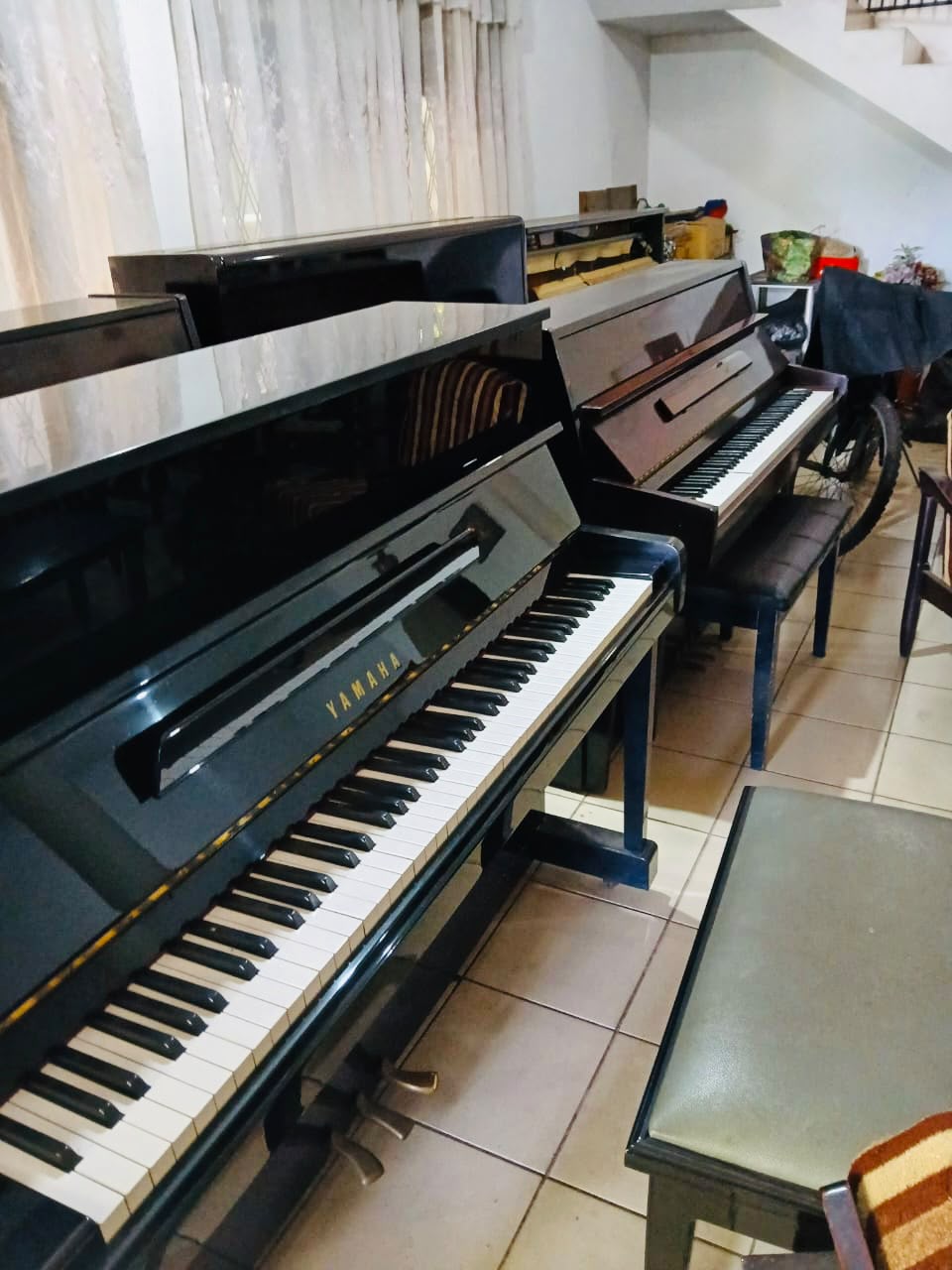
- English uprights from makers such as Chappell have been part of Sri Lankan homes for generations.
- Here is how to tell a good one from a piano that is past saving, and what to check in our climate.
Many Sri Lankan families, schools and churches still own an English upright piano — instruments from British makers such as Chappell, Broadwood, Challen, Kemble, Knight and Welmar. A good English piano has real character, and some are well worth buying or restoring. Others, honestly, are not. This guide explains how to tell the difference.
What Makes an English Piano Different
Most English uprights found in Sri Lanka today are several decades old, and some are much older. They often have traditional cabinet designs, and their tone tends to be gentler than a modern Japanese upright. Because of their age, the condition of the individual instrument is everything: two pianos with the same name on the fallboard can be completely different to play.
Check the Action Type
Lift the top lid and look at where the dampers sit:
- Underdamper action — dampers below the hammers. This is the modern design, used on almost all pianos built in recent decades, and it is what you want.
- Overdamper action — dampers above the hammers, often behind wires (sometimes called a "birdcage" action). Found on older pianos, these are harder to regulate and to stop notes cleanly, and are rarely worth the cost of restoration.
Also check that the piano is overstrung (bass strings crossing over the treble strings) rather than straight-strung; overstrung pianos generally have a fuller tone.
Climate Damage to Look For
Decades in Sri Lanka's humidity leave marks. Look for:
- Rust on strings and tuning pins.
- Tuning pins that feel loose — the piano will not hold its tuning.
- Cracks in the soundboard or bridges.
- Insect or termite damage in the case, keys or action.
- Moth-eaten felts and sticking keys.
Our second-hand piano inspection guide explains each of these checks.
Repair, Restore or Walk Away?
Many English pianos need some work. A few sticking keys or a broken string are normal repairs. Loose tuning pins, a cracked soundboard or a worn-out action point towards restoration, which can bring a good instrument back to life but is a significant investment. Read the difference between repair and restoration before deciding.
A family piano can be worth restoring for sentimental reasons even when it would not make financial sense to buy. If you already own one and are unsure, a piano valuation gives you an honest view of its condition and what it is worth.
Buying an English Piano From Us
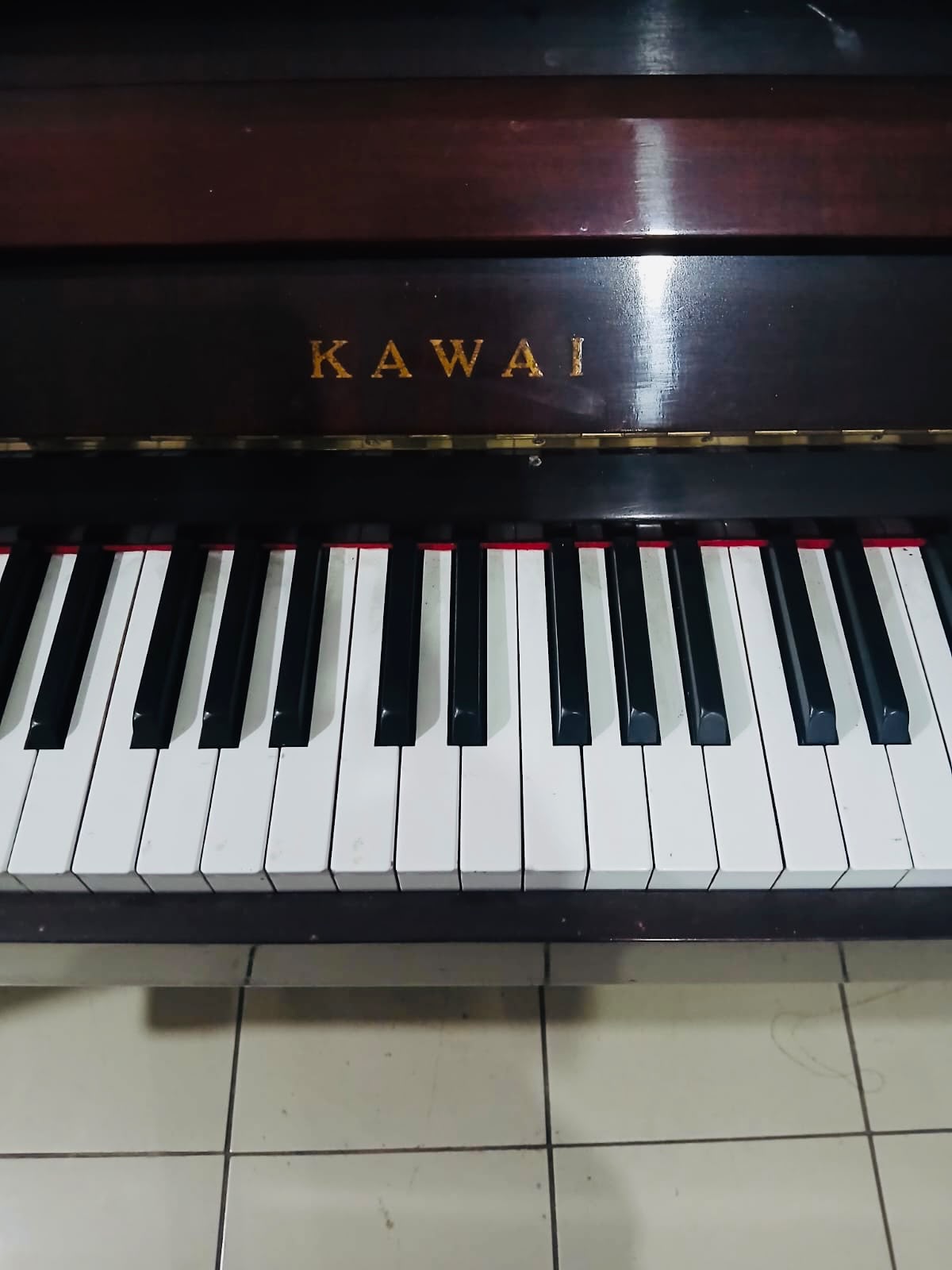
We offer traditional English pianos when good examples become available, after inspection and any work they need in our workshop in Welisara, near Colombo. See what is in stock now on our traditional English pianos page, or compare them with our Yamaha and Kawai uprights on the main pianos for sale page.
Buying from us? Every piano we sell, brand-new or second-hand, comes with a five-year warranty and one free piano stool. See our pianos for sale.
Pianos for Sale
Looking for the Right Piano in Sri Lanka?
Explore our inspected pre-owned upright pianos, with grand pianos on enquiry, or book a private showroom viewing in Welisara, Ragama.
Have a Piano Question?
Our master technicians and piano specialists are here to help — whether it's tuning, restoration, or finding your perfect instrument.