
Ivory Keys vs Modern Materials: What's Actually on Your Piano's Keys
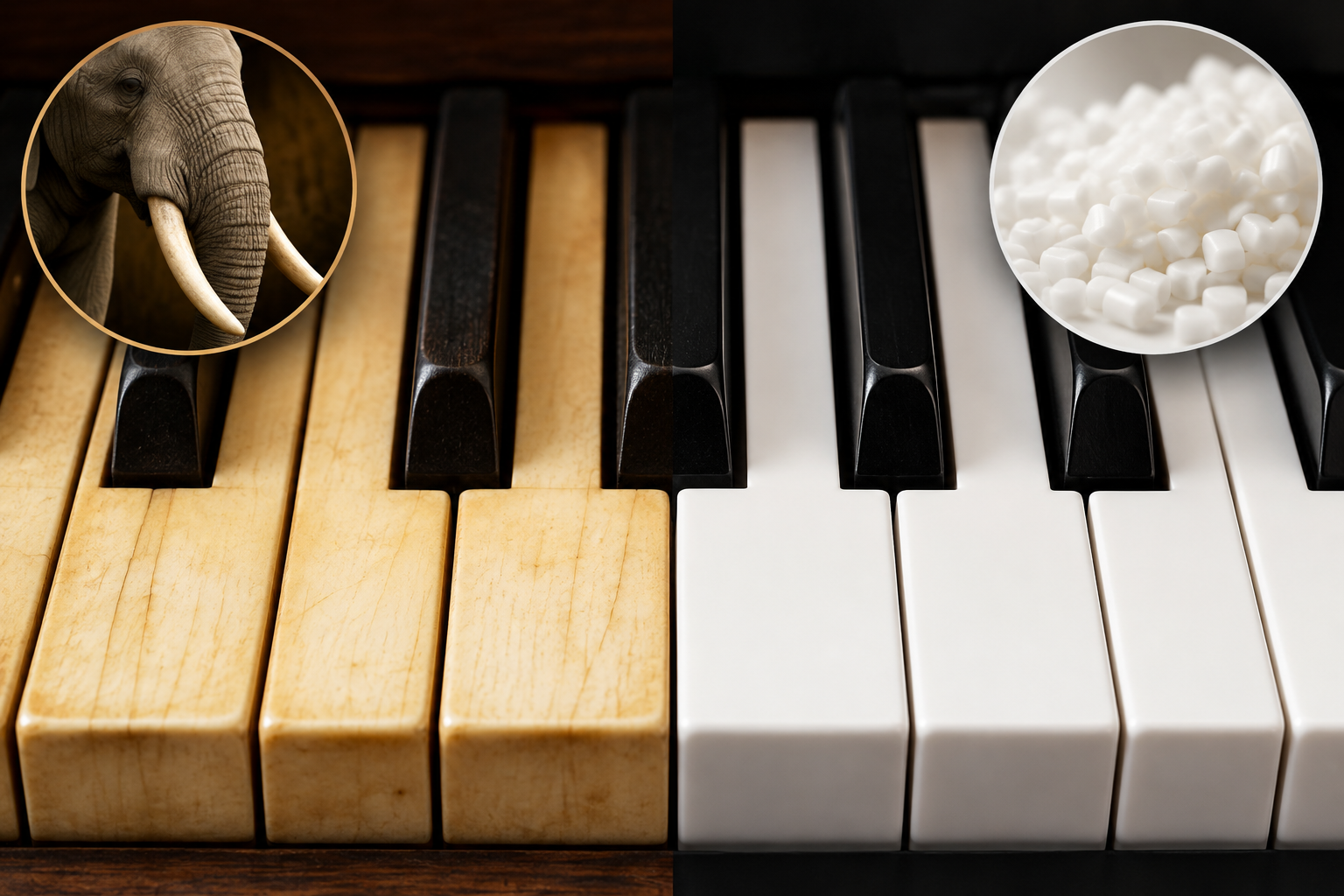
- Pianos built before about the 1970s may have genuine ivory key tops, while later pianos almost always use plastic or a synthetic ivory substitute.
- The quickest check is a faint seam across each white key top.
- A piano with ivory keys can need extra paperwork if it is sold or moved across borders.
Older pianos are often assumed to have ivory keys simply because they are old. The reality is more specific — and it matters for how the piano feels, how it should be cleaned, and what you need to know before selling or moving it.
A Short History of Piano Key Materials
For most of the piano’s history, the white keys were topped with thin pieces of elephant ivory glued onto a wooden key, and the black keys (sharps) were made of ebony. Ivory was prized because it is hard-wearing, takes a fine polish and has a slightly absorbent surface that does not feel slippery under the fingers.
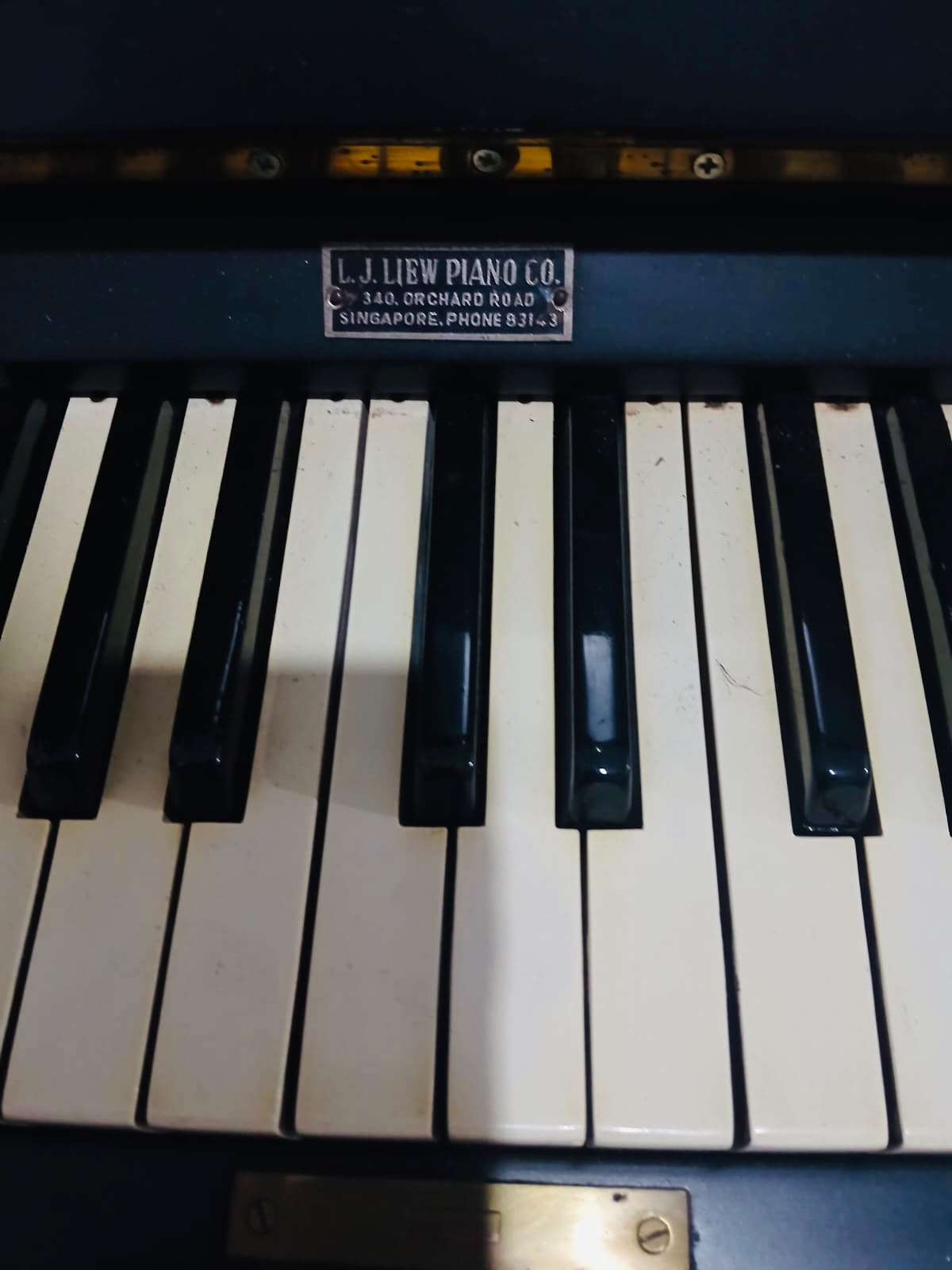
Through the twentieth century, cost and growing restrictions on the ivory trade pushed manufacturers towards plastics. International commercial trade in elephant ivory was largely banned under CITES from 1990, and by then almost every new piano already used synthetic key tops. As a rough guide, a piano made before about the 1970s may have ivory keys; one made later almost certainly does not.
How to Tell Ivory from Plastic
You can usually tell with a careful look in good light. None of these checks needs tools, and none of them harms the piano.
- Look for a seam. Ivory rarely came in pieces long enough to cover a whole key, so ivory key tops are normally made in two parts: a longer “head” at the front and a “tail” further back, with a faint line where they meet. Plastic key tops are almost always a single piece with no joint.
- Look for grain. Under a bright light, genuine ivory shows fine, natural grain lines running along the key. Plastic is perfectly uniform.
- Compare the colours. Ivory ages to a warm cream or yellow, and neighbouring keys often differ slightly in shade. A row of identical, bright white keys points to plastic.
- Check the front edge. Many plastic key tops wrap over the front of the key in one moulded piece. Ivory tops usually have a separate, flat front piece.
- Feel the surface. Ivory tends to feel slightly warmer and less slick than plastic. This is the least reliable test, so use it alongside the others.
Some older or less expensive pianos used bone instead of ivory. Bone looks similar but often shows tiny dark pores or specks. If you are unsure, a piano technician can usually tell at a glance during a visit.
Modern Materials
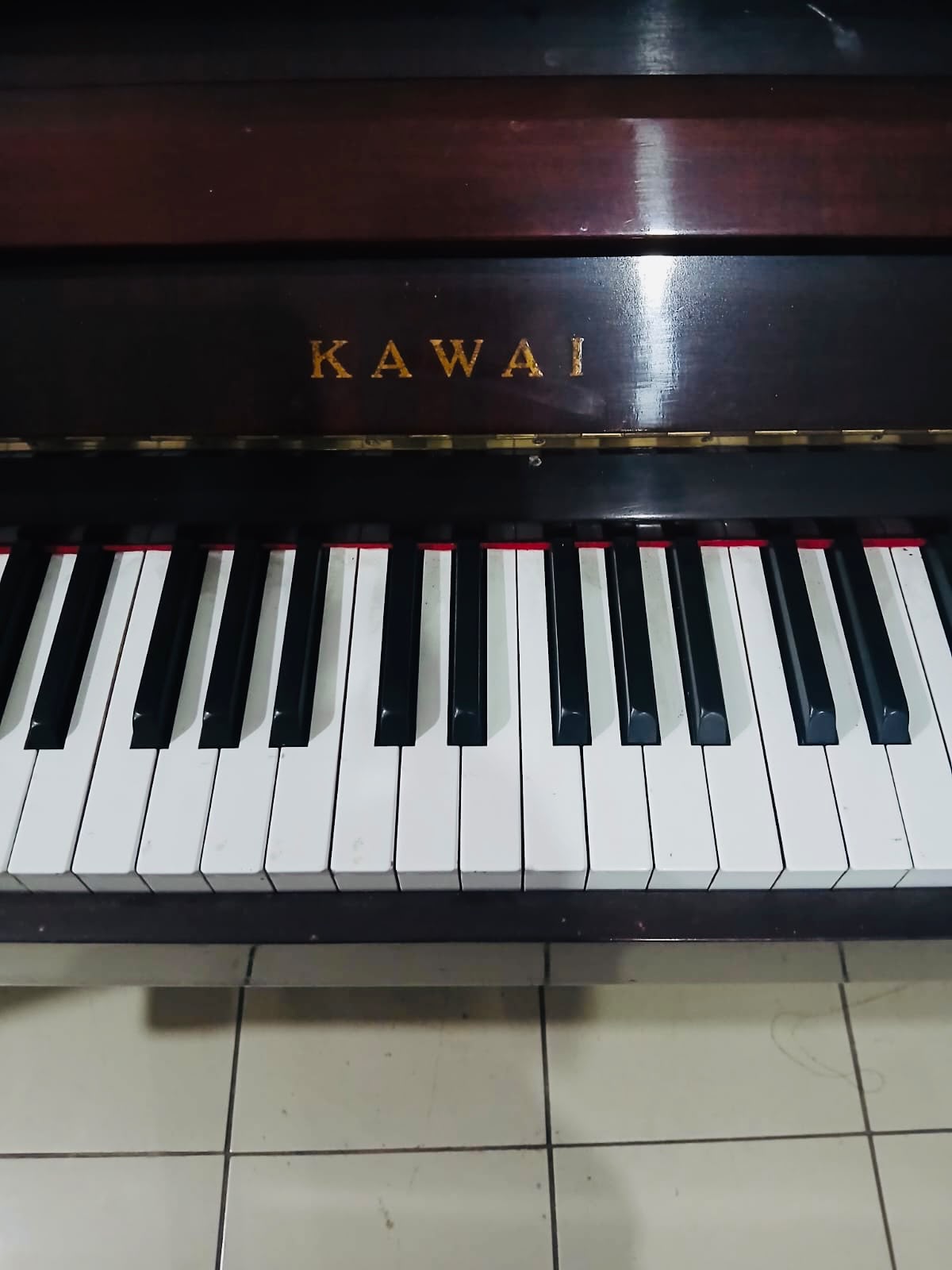
Most pianos made today use acrylic or similar plastics for the white keys and plastic or phenolic resin for the black keys. Some higher-end models use synthetic “ivory-feel” materials that are slightly textured and absorbent, designed to give some of the grip of ivory without using animal products — Yamaha’s Ivorite and Kawai’s Neotex are well-known examples.
For most players, a well-made modern key top is entirely comfortable. The feel of a piano depends far more on the condition and regulation of its action than on what the key tops are made of.
Caring for Ivory and Plastic Keys
Ivory keys need a gentle touch:
- Wipe with a soft cloth that is barely damp, then dry immediately. Never let water run between the keys — it can loosen the glue and swell the wood underneath.
- Avoid alcohol, solvents, bleach and household sprays, which can crack or discolour ivory.
- Some yellowing is natural with age and is not a fault. Keeping the lid closed for long periods can make it worse, so it helps to open the fallboard regularly in a bright room — away from direct, hot sunlight.
Plastic keys are easier: a soft cloth lightly dampened with water and a drop of mild soap, followed by a dry cloth, is all they need. In Sri Lanka’s humid climate, wiping the keys after playing also helps keep them clean. See our guide to piano care in a tropical climate for more.
Chipped or Missing Key Tops
Old ivory can chip at the front edge or lift away from the key. Do not glue a loose piece back with household adhesive — it can stain the ivory and make a proper repair harder. Keep any loose pieces and ask a technician to look at them. Depending on the piano, the options range from re-fixing the original pieces to fitting a complete new set of modern key tops so the keyboard matches.
Selling or Moving a Piano with Ivory Keys
Because ivory is a regulated material, a piano with ivory key tops can need extra documentation if it is exported, imported or sold across borders, and the rules differ between countries. If you are planning to move a piano overseas, or buy one from abroad, check the requirements with the relevant authorities — such as the Department of Wildlife Conservation and Sri Lanka Customs — before you arrange shipping. Moving a piano within Sri Lanka is a different matter; for that, see piano delivery and installation.
Not Sure What Your Piano Has?
If you would like a second opinion on your piano’s keys, its age or its overall condition, Ranjan Fernando Piano Centre in Welisara, Ragama can inspect it and advise. Book a tuning visit, ask about repairs or restoration, or get in touch by phone or WhatsApp.
Pianos for Sale
Looking for the Right Piano in Sri Lanka?
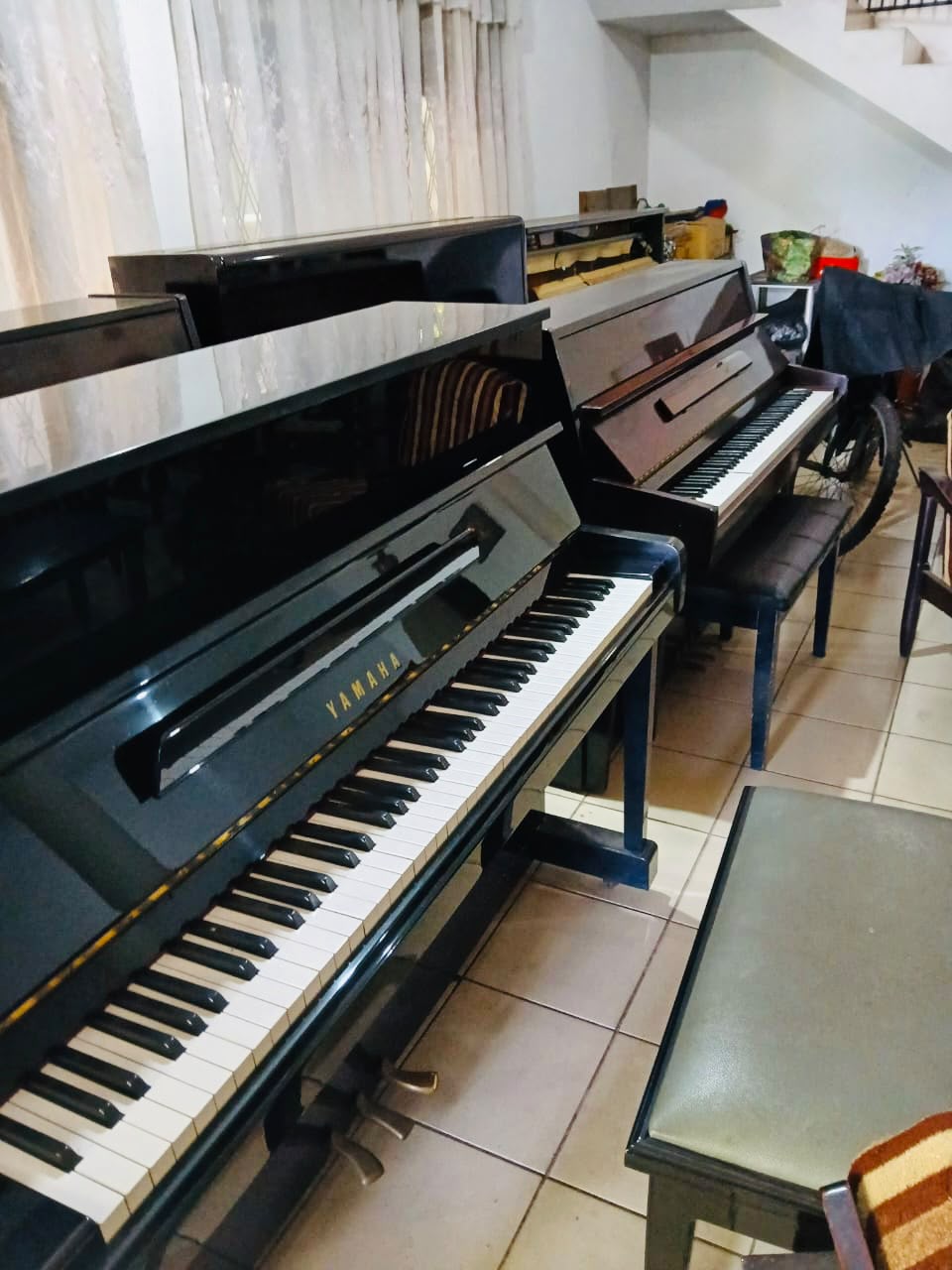
Explore our inspected pre-owned upright pianos, with grand pianos on enquiry, or book a private showroom viewing in Welisara, Ragama.
Have a Piano Question?
Our master technicians and piano specialists are here to help — whether it's tuning, restoration, or finding your perfect instrument.